
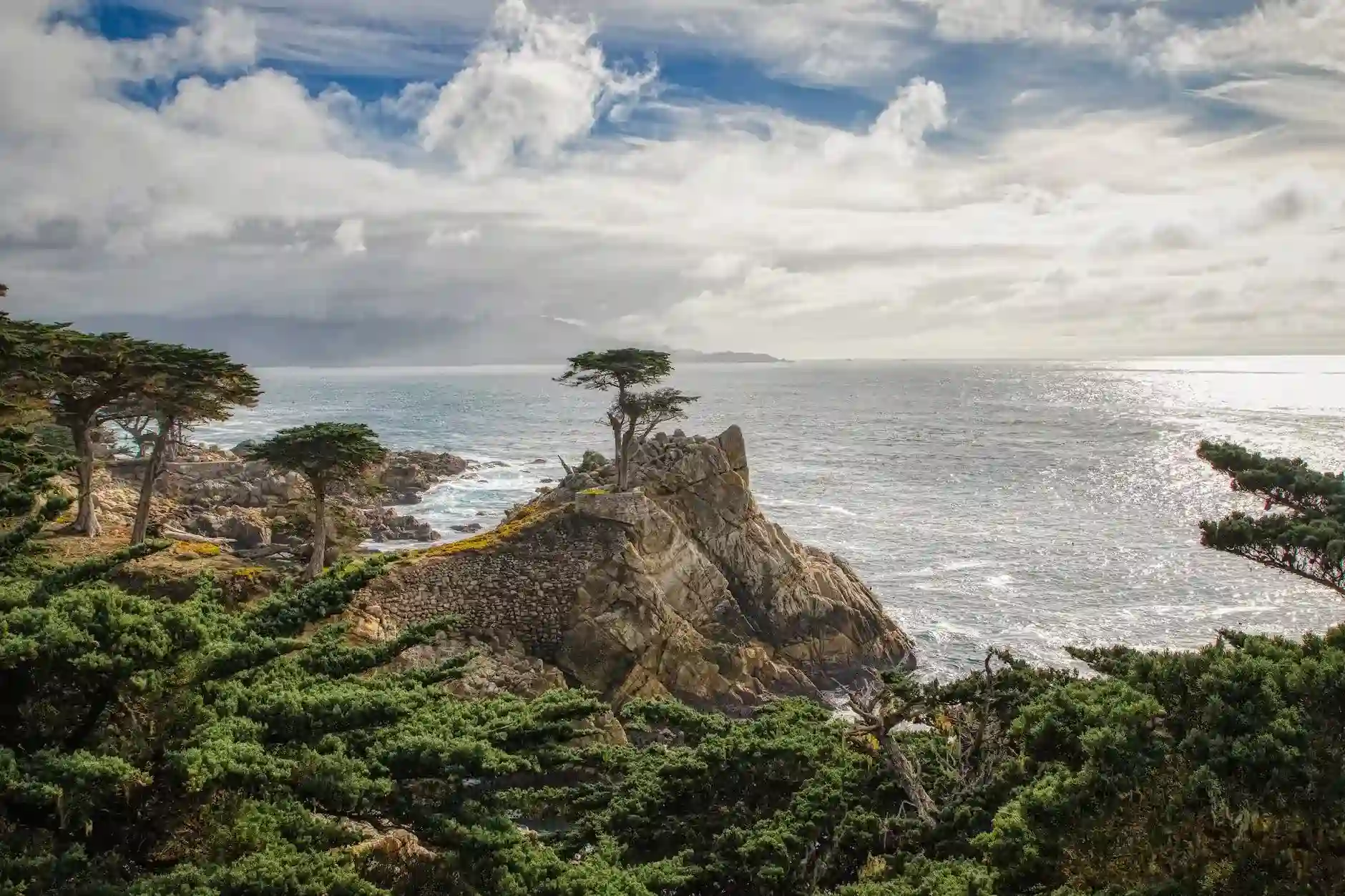
A Coastal Gem Where Art, Nature, and Storybook Charm Meet
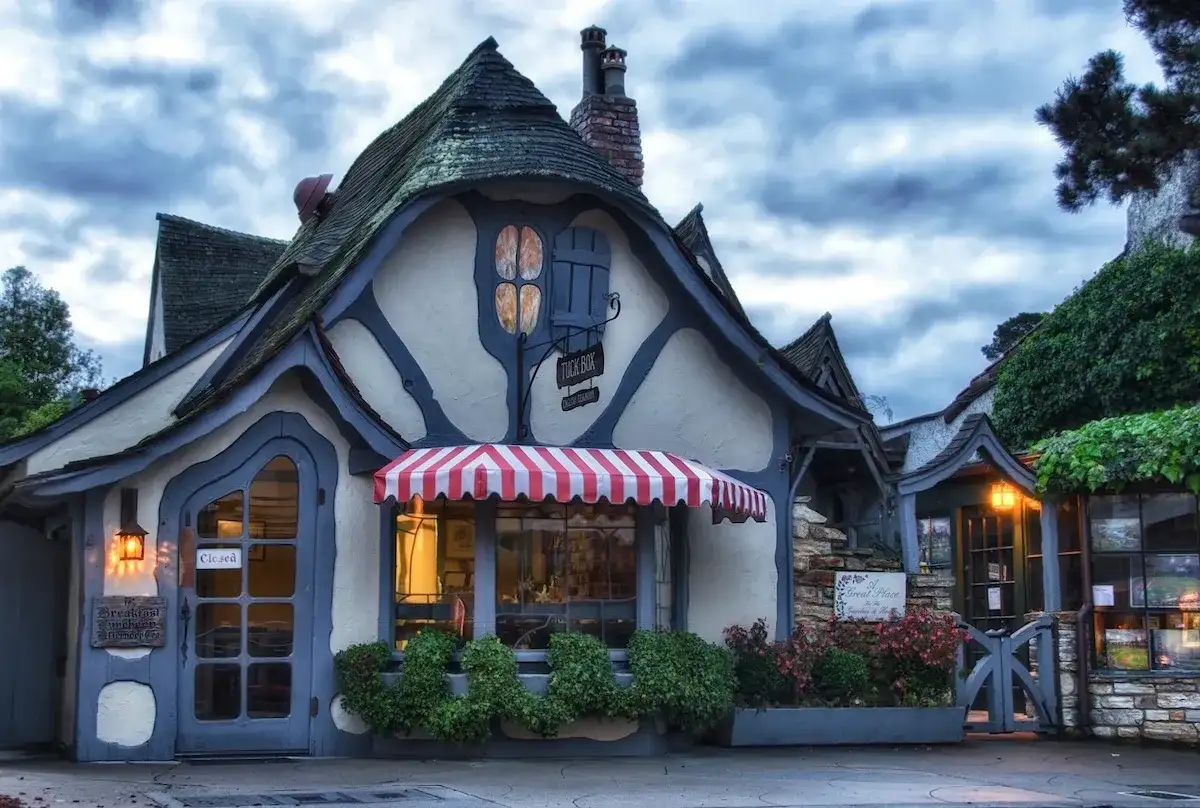
The Magic of Carmel-by-the-Sea
If you are thinking about visiting the charming town of Carmel-by-the-Sea, you are in the right place. Here, you will discover exactly why is carmel-by-the-sea famous and why it absolutely deserves a spot on your travel bucket list.
Tucked along California’s rugged Monterey Peninsula, Carmel-by-the-Sea transcends the typical coastal town experience. This seaside village captivates visitors with its distinctive whimsical cottages, pristine white-sand beaches, and a rich artistic legacy spanning over a century.
But what exactly makes Carmel-by-the-Sea famous?
Is it the romantic architecture inspired by European fairytales? The world-class wine and fine dining establishments? Or perhaps the untouched natural beauty that stretches from Carmel Beach to Point Lobos State Natural Reserve?
All of these elements combine to create an unparalleled destination that captures the essence of California’s coastal beauty and creative spirit.
1. A Village Built for Artists and Writers
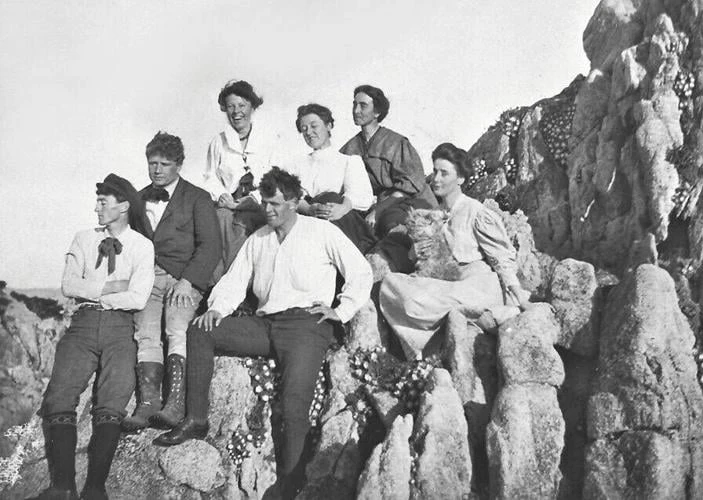
Carmel-by-the-Sea was founded in the early 1900s as a creative haven for artists, writers, and visionaries seeking inspiration beyond urban constraints. Notable literary figures including Jack London, George Sterling, and Robinson Jeffers established themselves here, drawing inspiration from the dramatic Pacific coastline and the serenity of nearby redwood forests.
The town has intentionally preserved its distinctive character. The absence of streetlights, chain restaurants, and commercial signage creates an atmosphere that feels removed from the modern world. Every street corner evokes artistic sensibility, and every cottage appears to have emerged directly from classic storybook illustrations.
Key distinction: Carmel maintains strict building codes that preserve its architectural integrity, even house numbers are replaced with custom names and landmarks, a unique practice that reinforces the town’s commitment to authenticity.

This artistic foundation has established Carmel-by-the-Sea as one of America’s most authentically preserved creative communities, earning its reputation as a haven for artists and cultural enthusiasts.
2. Distinctive Storybook Architecture
For those who have imagined wandering through an enchanted village, Carmel delivers that fantasy through architecture. Architect Hugh Comstock pioneered whimsical cottage design in the 1920s, drawing inspiration from English fairytales and European folklore.
The architectural result encompasses more than 20 fairytale homes, including the iconic Hansel Cottage, Gretel House, and Tuck Box Cafe. These structures feature characteristic steep shingled roofs, rounded doorways, and crooked chimneys that create an immersive storybook aesthetic.
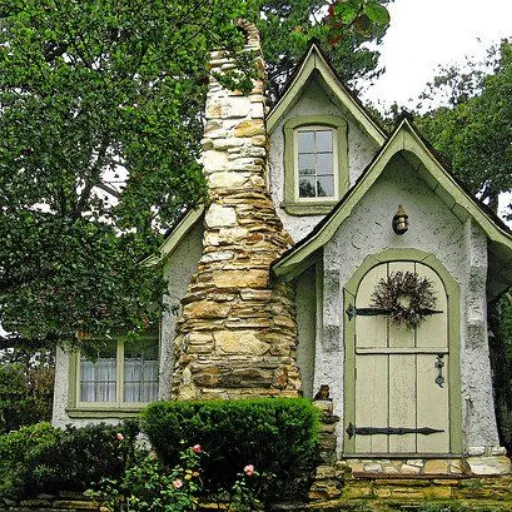
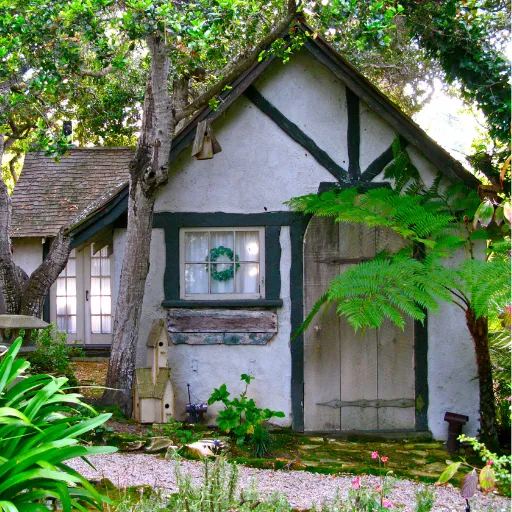

For photographers and visual documentation: The Fairy Tale Cottage Walking Tour remains one of the town’s most popular activities. The interplay of textures, architectural details, and coastal light provides exceptional opportunities for photography and content creation.
3. Pristine Beaches and Coastal Natural Beauty
Carmel’s reputation extends significantly to its exceptional coastal features. Carmel Beach is renowned for its powder-white sand and turquoise waters, consistently ranked among the most beautiful beaches in the United States. The beach welcomes dogs, offers ideal conditions for sunset observation, and is framed by distinctive Monterey cypress trees.
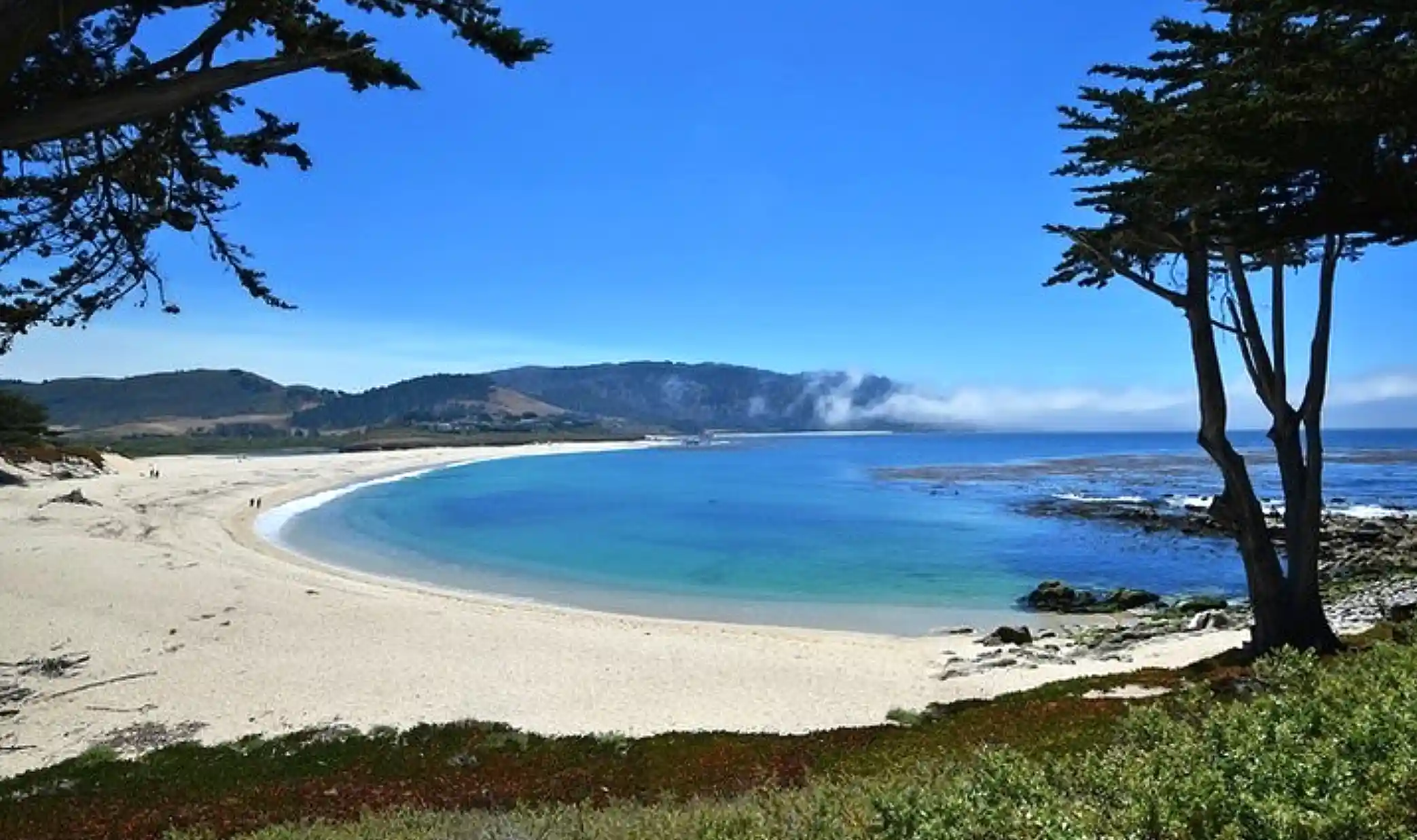
For outdoor enthusiasts, Point Lobos State Natural Reserve, located just 10 minutes away, provides dramatic coastal trails with opportunities for sea lion viewing. The reserve is frequently described as the “crown jewel” of California’s state parks due to its exceptional biodiversity and scenic value.
Weather consideration: Coastal conditions here change rapidly. Visitors should prepare for variable weather with appropriate layered clothing and windproof outerwear.
4. Distinguished Culinary Scene and Wine Culture
Despite its small size, Carmel maintains a culinary reputation that exceeds typical small-town expectations. The destination features numerous California’s finest boutique restaurants and tasting rooms, many operated by internationally recognized chefs.
Essential culinary experiences include:
- Carmel Wine Walk: Features over 15 tasting rooms within convenient walking distance, allowing visitors to sample local and regional wines
- La Bicyclette: Offers rustic French-Italian cuisine in an intimate, cottage-style setting
- Aubergine: Provides Michelin-starred fine dining that showcases innovative California cuisine

The combination of culinary excellence and charming ambiance makes Carmel an ideal destination for food enthusiasts and those documenting travel experiences.
5. Iconic Scenic Drives and Panoramic Coastal Views
Few driving routes in North America rival the visual experience of Highway 1 through this region. Carmel’s position at the highway’s most photogenic stretch provides access to extraordinary coastal scenery.

Adjacent attractions include the Bixby Creek Bridge, one of California’s most frequently photographed landmarks, and the dramatic landscape of Big Sur. Additional notable destinations within an hour’s drive include Pfeiffer Beach and McWay Falls, featuring the region’s signature dramatic cliffs and winding coastal roads.
This concentration of scenic attractions makes the area particularly appealing to road trip enthusiasts and professional photographers.
6. Pet-Friendly Hospitality and Culture
Carmel has established itself as an exceptionally welcoming destination for traveling with pets. The local accommodation industry, dining establishments, and public spaces demonstrate consistent welcome toward dogs and other animals.
The community embraces this distinction through pet-friendly hotel accommodations, specialized dog menus at restaurants, and social events specifically designed for animal lovers. This commitment to pet inclusion adds a distinctive dimension to the destination’s appeal for family and pet-owning travelers.
7. Thriving Arts, Galleries, and Cultural Programming
Carmel hosts over 100 art galleries, representing one of the highest gallery densities per capita in the United States. The town maintains an active contemporary art scene encompassing traditional landscape painting, modern sculpture, and innovative mixed media installations.


Annual cultural programming includes the Carmel International Arts Festival and Carmel Bach Festival, attracting thousands of art and music enthusiasts each year. These events reinforce the town’s position as a significant cultural destination within California.
8. Historic Significance: The Carmel Mission
Mission San Carlos Borromeo de Carmelo, established in 1771, represents one of California’s most architecturally significant Spanish missions. The structure’s sandstone walls, bell towers, and tranquil courtyards provide tangible historical experience.
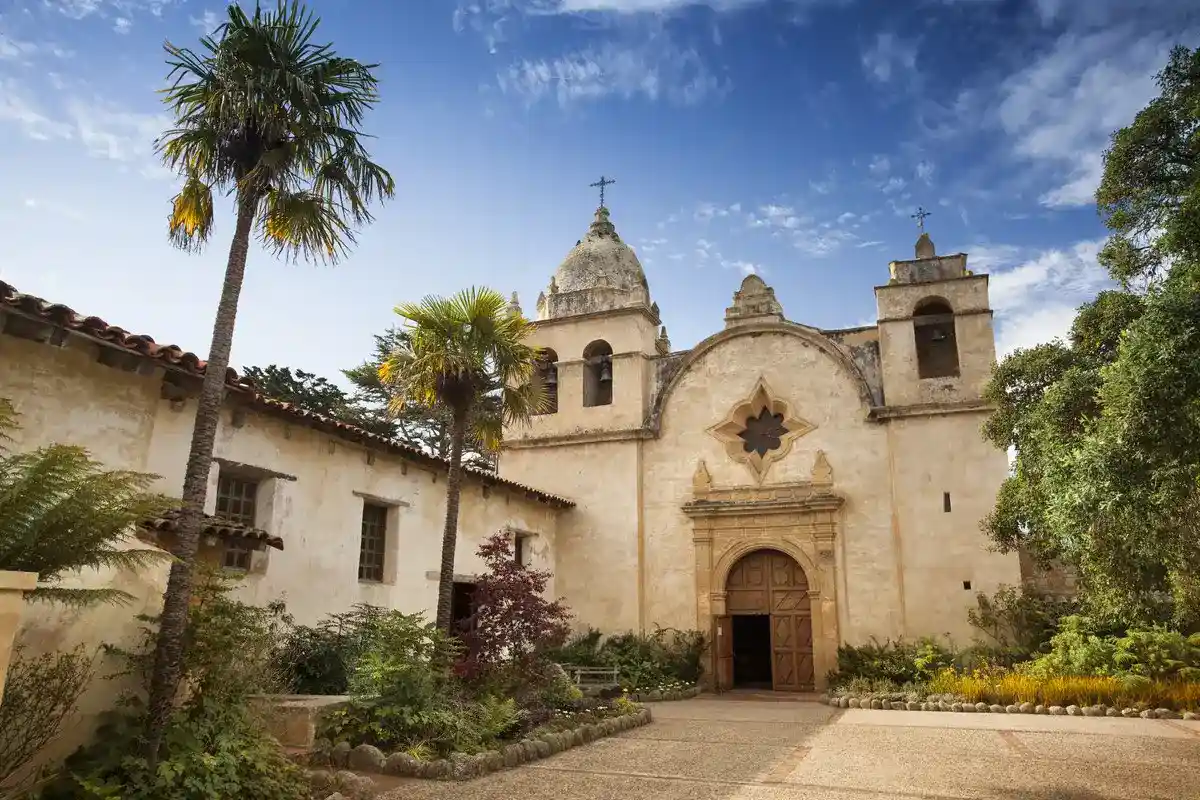
The mission serves as the burial site of Father Junípero Serra, the Franciscan friar who founded the California mission chain. This historical and spiritual significance elevates the destination beyond scenic tourism, adding cultural depth and historical educational value.
9. Environmental Leadership and Sustainable Practices
Carmel-by-the-Sea has established itself as an environmental steward among popular tourism destinations. The municipality implements progressive policies including bans on single-use plastics, emphasis on walkable infrastructure, and prioritization of local artisans and sustainable products.
This environmental commitment positions Carmel as a model for sustainable tourism practices in the United States, appealing to environmentally conscious travelers and demonstrating that popular destinations can maintain ecological responsibility.
10. Boutique Accommodations and Authentic Hospitality
The lodging experience in Carmel reflects the town’s commitment to authenticity and personal service. Rather than corporate hotel chains, the destination features intimate inns that embody the town’s distinctive character.
Properties such as L’Auberge Carmel and Hofsas House provide personalized experiences that align with the overall destination aesthetic. Many accommodations include fireplaces, ocean views, and thoughtful hospitality touches such as breakfast service, creating memorable experiences that reinforce the destination’s romantic appeal.
Why Carmel-by-the-Sea Stands Out as a Premier Destination?
Carmel-by-the-Sea maintains its fame by synthesizing the elements that attract visitors to California: artistic creativity, exceptional coastal scenery, and a pace of life that encourages mindful exploration. The town succeeds in creating an integrated experience where visitors can engage with art, cuisine, natural beauty, and authentic hospitality within a compact, pedestrian-friendly environment.
The destination appeals to diverse traveler motivations—from photographers and artists to families, couples seeking romantic getaways, and those seeking respite from urban environments. Whether visiting for a weekend or an extended stay, Carmel-by-the-Sea delivers an experience that remains memorable and encourages return visits.