
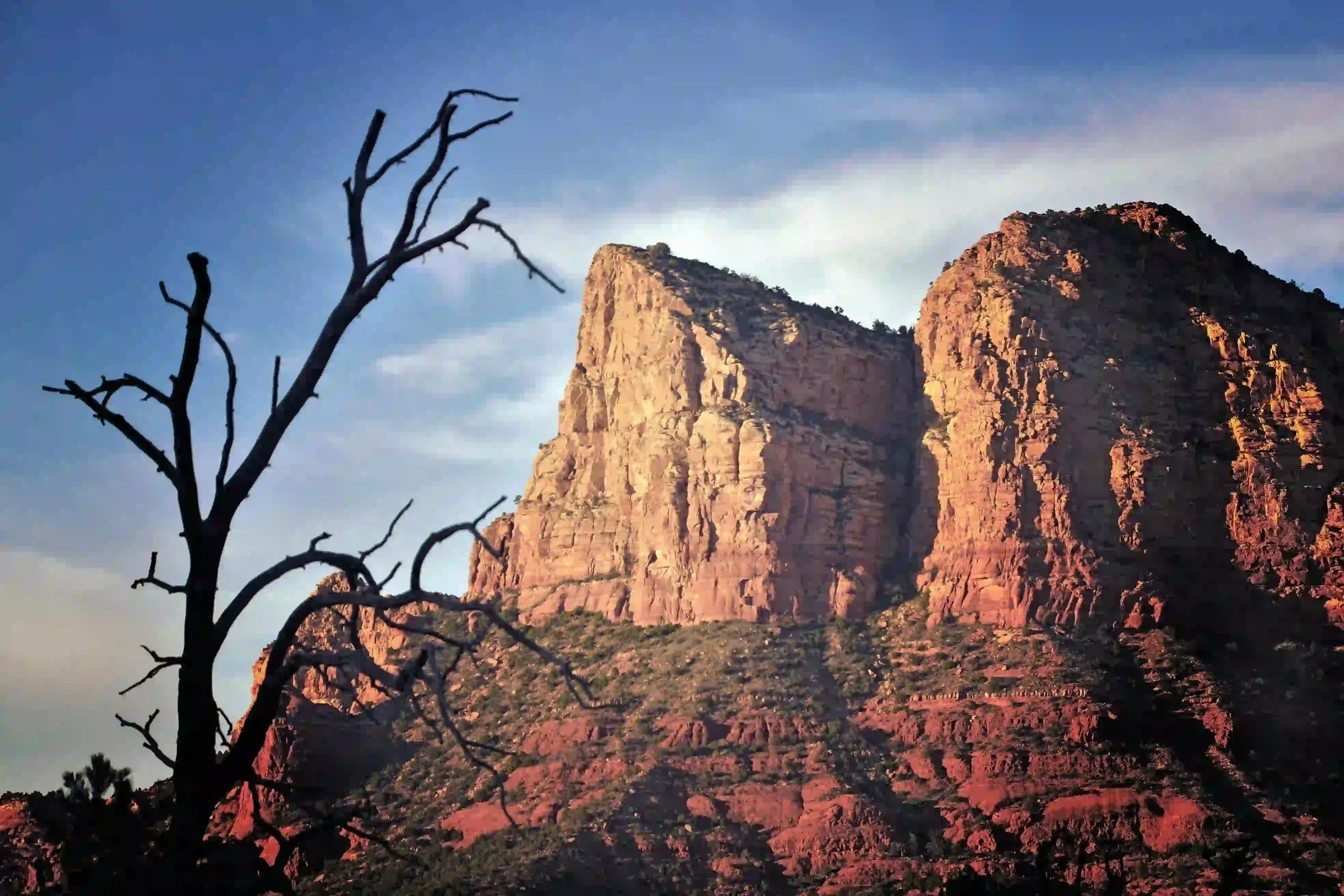
If you have ever seen a photograph of Sedona!

Glowing red rocks, endless desert skies, and light that looks almost sacred and you already know that this is not an ordinary place. People visit Sedona for adventure. Others come for healing. Many arrive searching for answers they didn’t know they needed.
But why is Sedona, Arizona actually famous?
From its geological wonders to its spiritual energy, lovable small town culture, and soul stirring landscapes, Sedona is a rare destination that feels both earthly and other worldly.
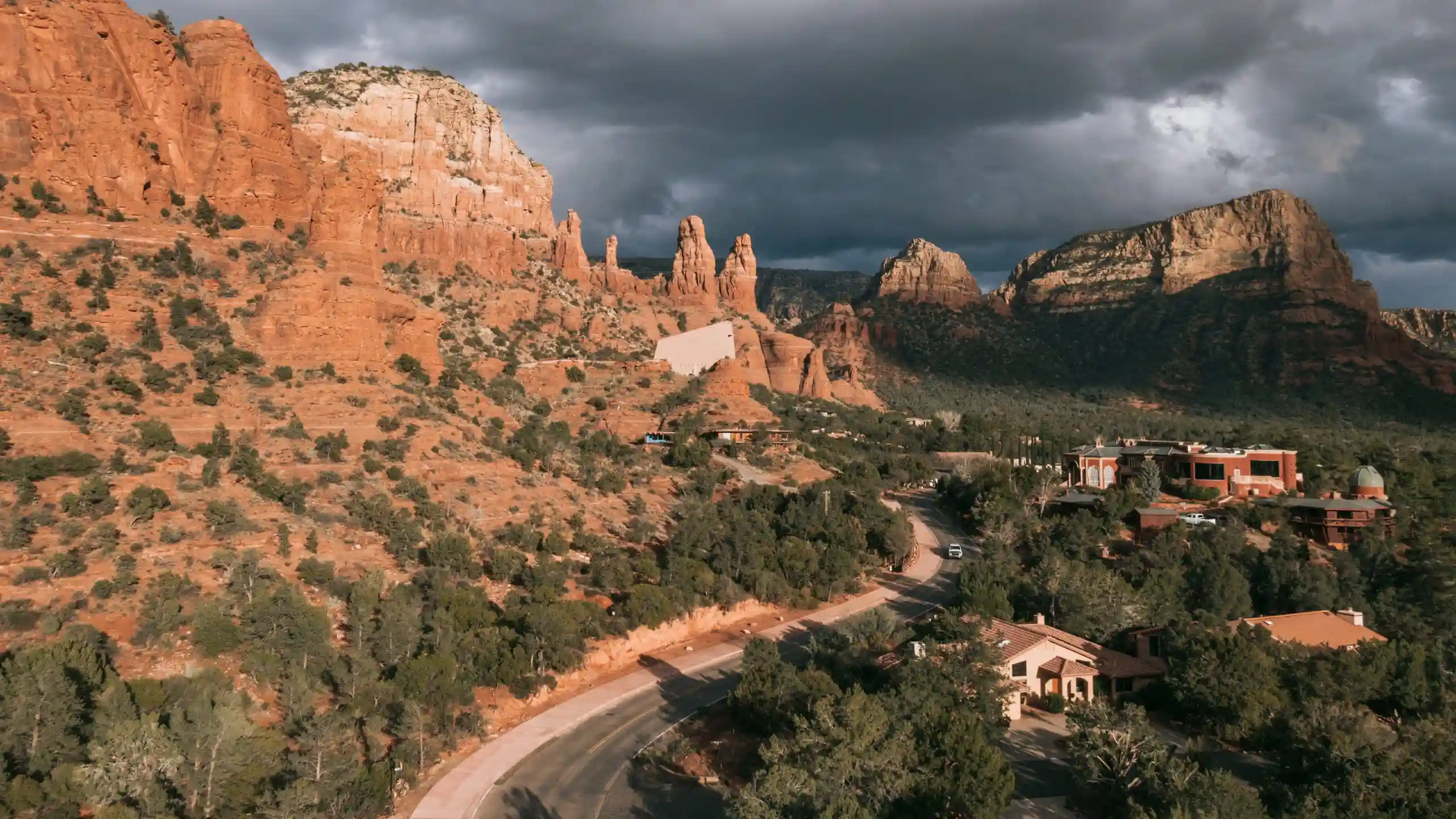
In this tour, I’ll take you through everything that makes Sedona iconic, magical, and irresistibly unforgettable.
1. What Sedona Is Famous For?
In short, Sedona is famous for its red rock formations, spiritual vortex sites, world-class hiking, artistic community, and serene desert landscapes.
But what visitors remember most is something you cannot photograph 🙂
The feeling of calm, clarity, and awakening that settles in the moment you arrive.
2. The Story of Sedona-Why This Town Feels “Different”.
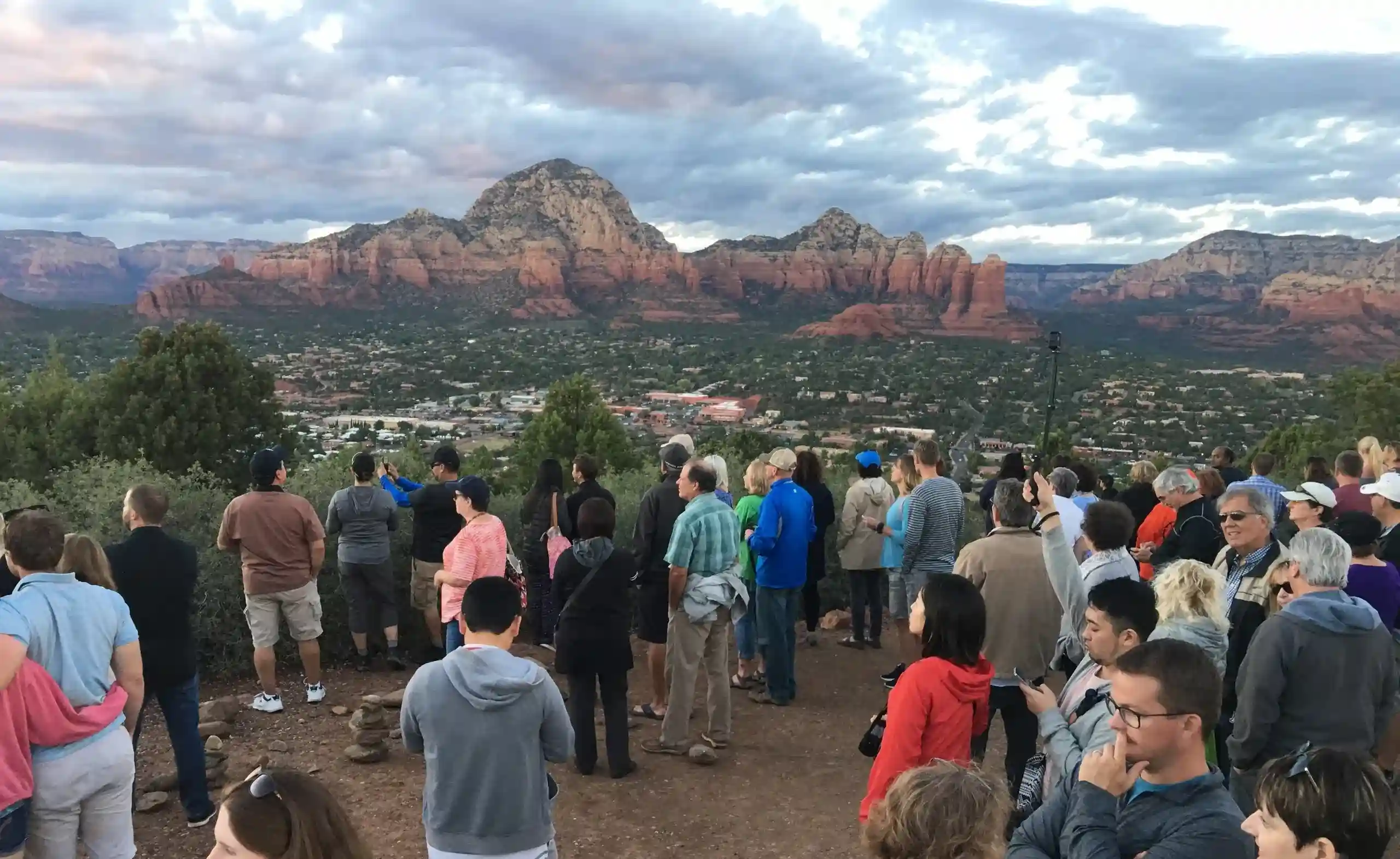
Sedona didn’t become famous overnight. It grew slowly, first through Indigenous stories, later through Hollywood films, then through artists who claimed the land inspired their greatest work.
By the 1980s, Sedona became widely known for something more mystical. People began reporting spiritual experiences, emotional breakthroughs, and a sense of renewed purpose. This is when Sedona transformed from a pretty desert town into a renowned sanctuary for healing, creativity, and nature lovers.
3. The Geology That Made Sedona World Famous.
Sedona’s red rocks are not just pretty, they are a geological wonder. The deep rust color comes from iron oxide, and the formations are shaped by millions of years of erosion.
Famous formations include:
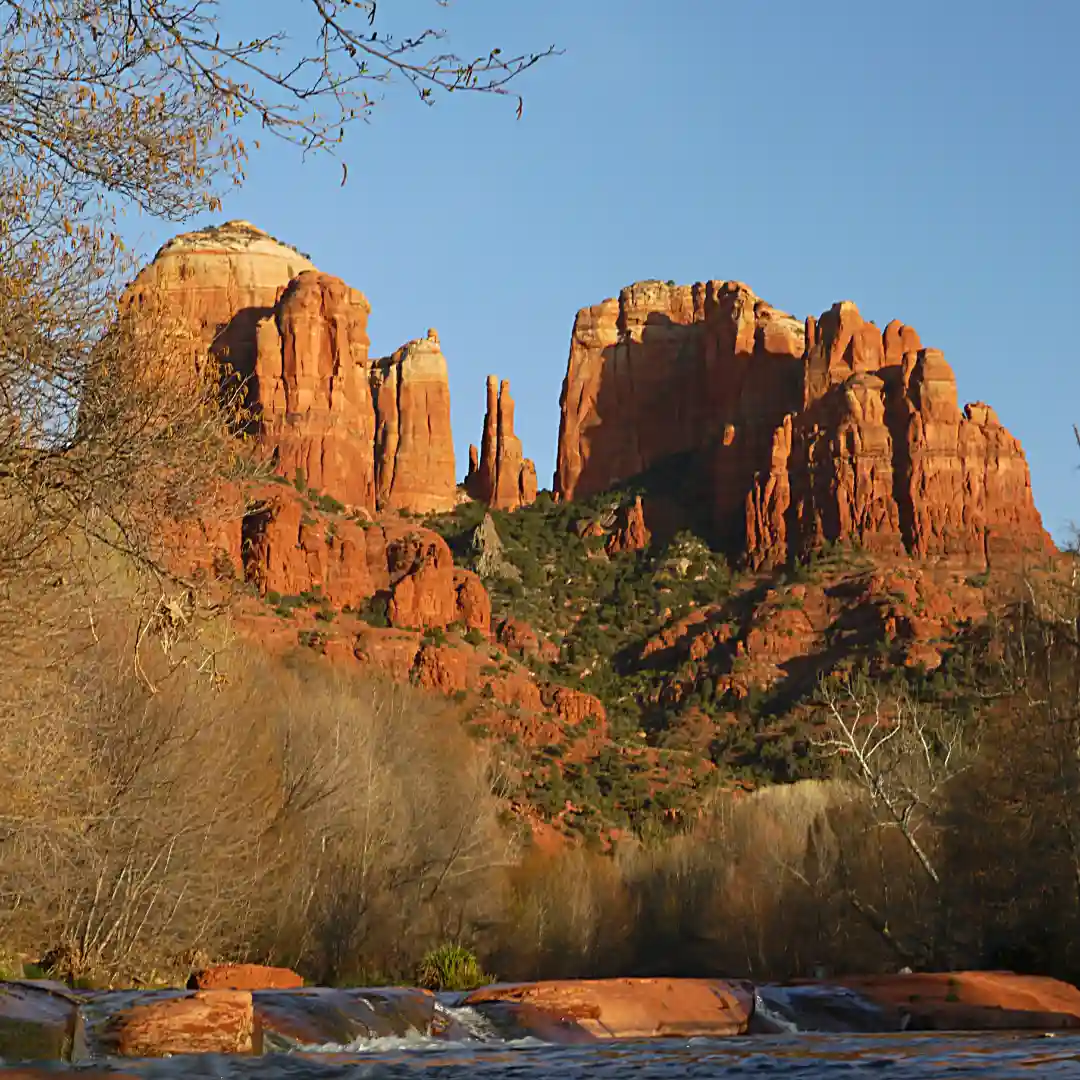
Cathedral Rock
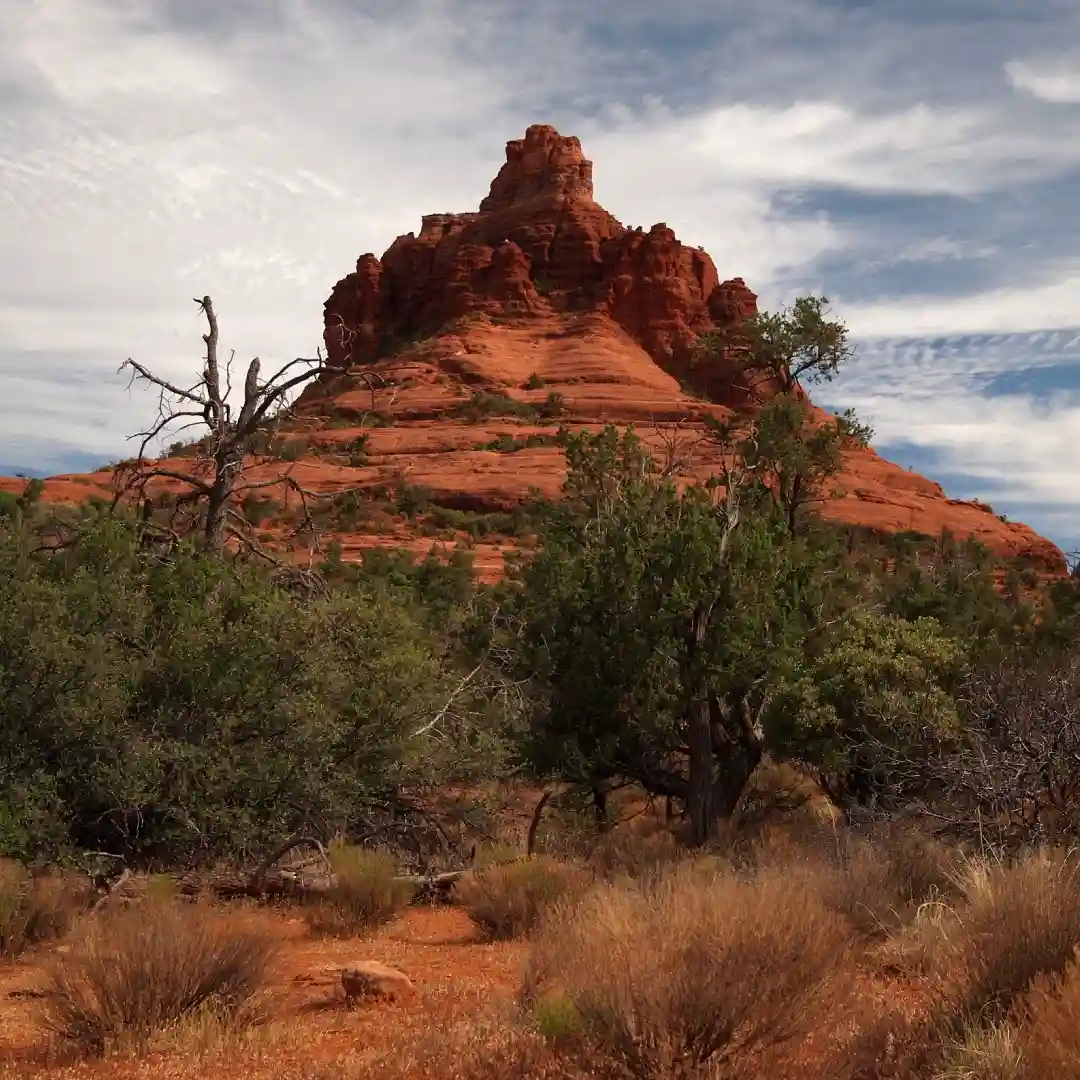
Bell Rock
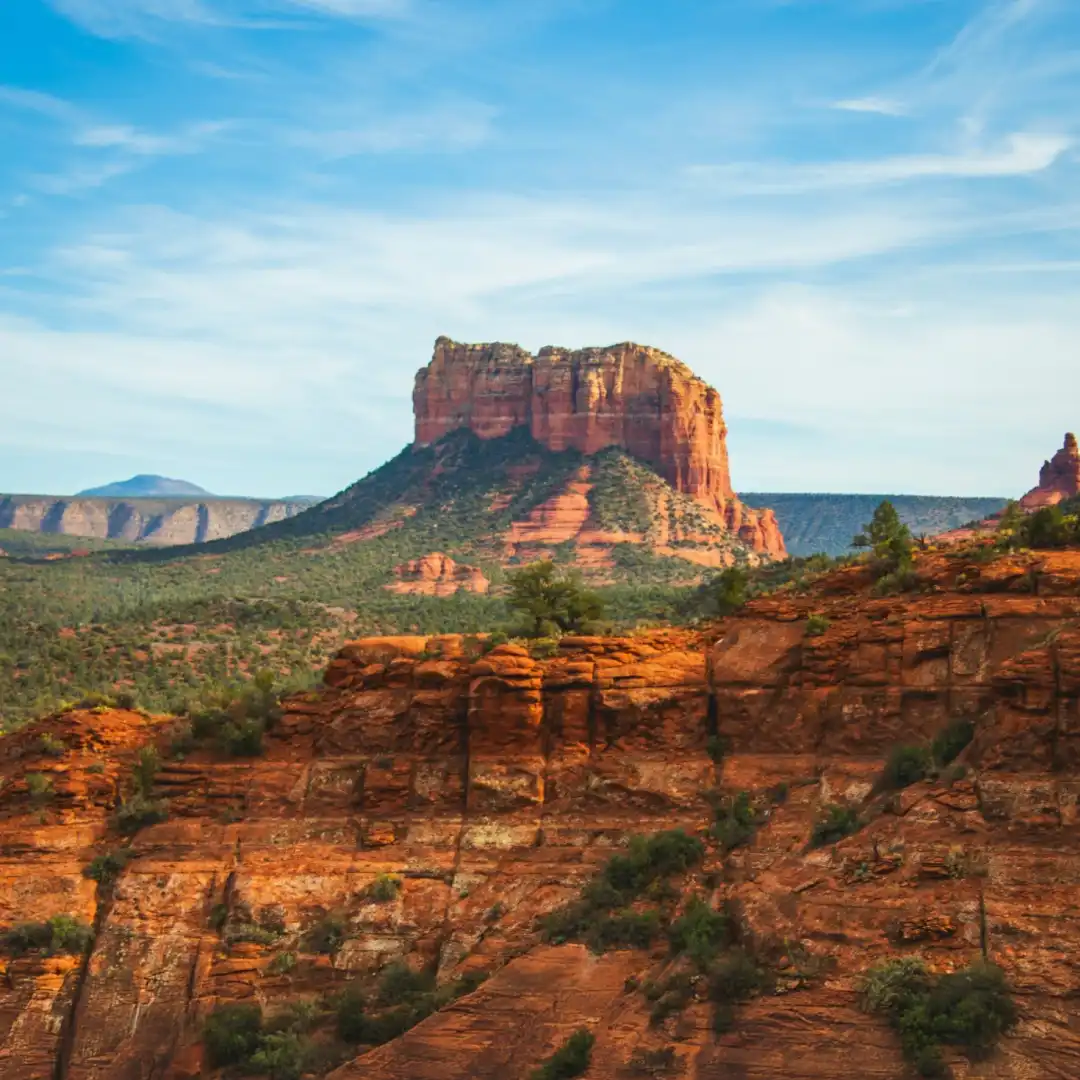
Courthouse Butte
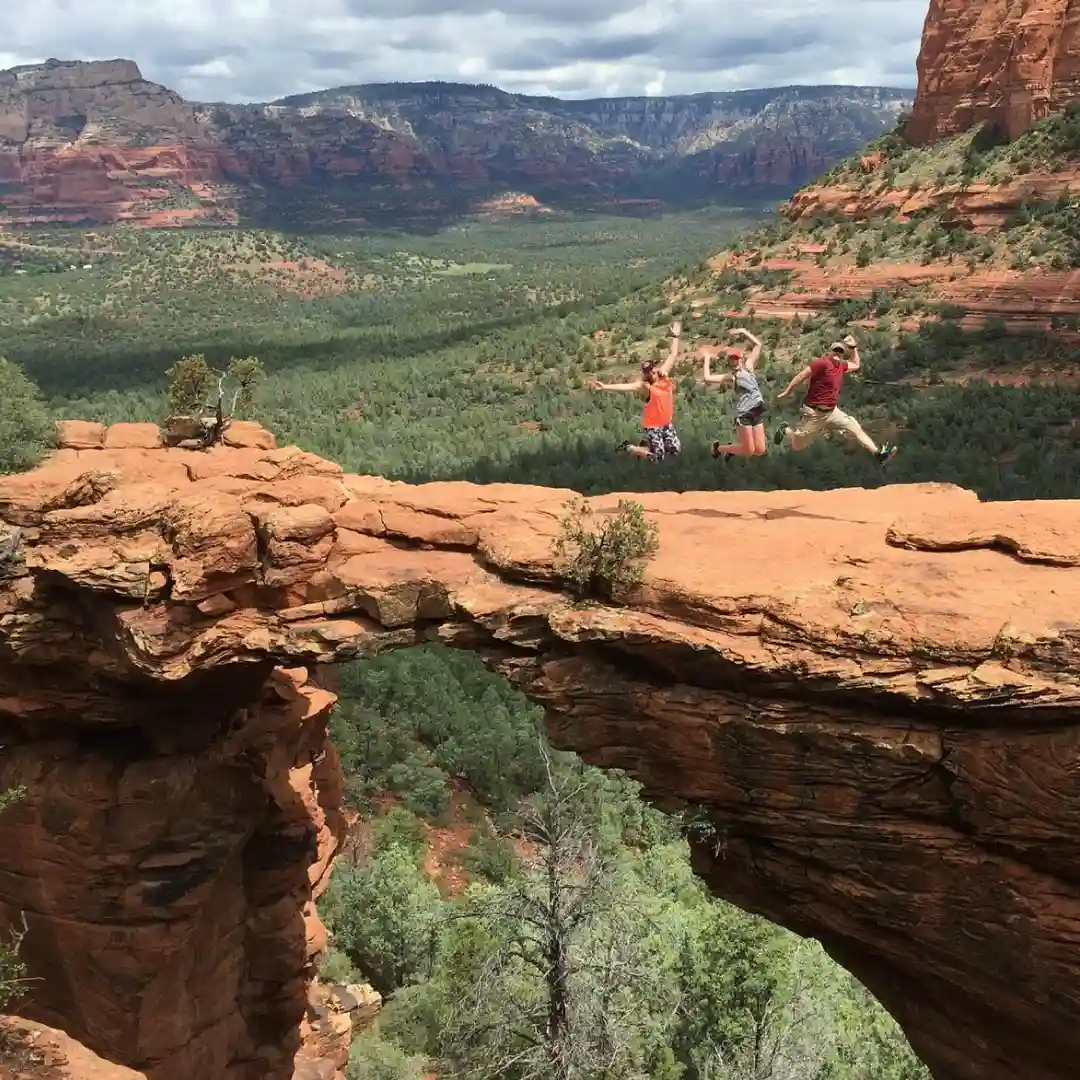
Devil’s Bridge trail
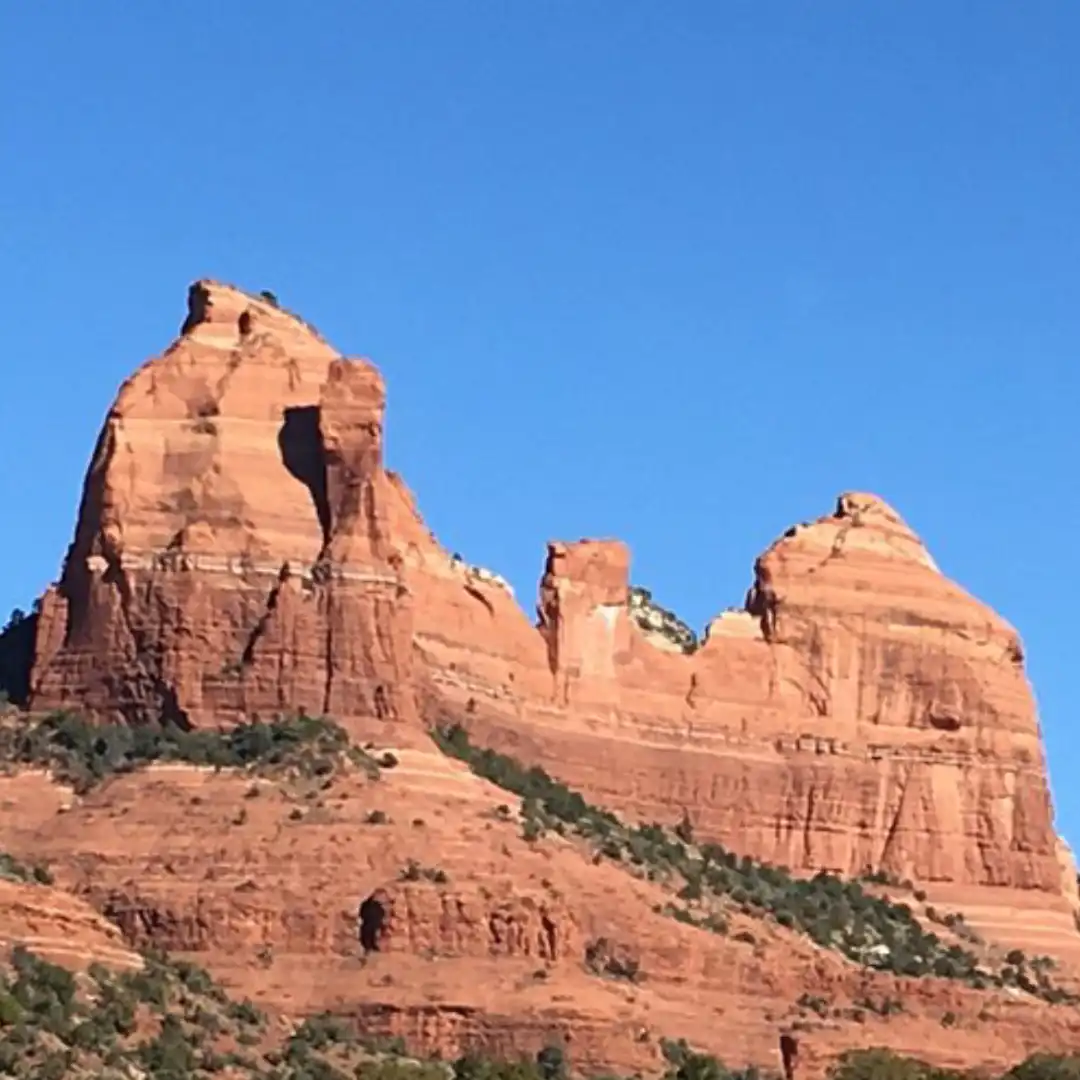
Snoopy Rock
Each rock formation looks like it has a personality, especially during sunrise and sunset when it glows like fire.
4. Sedona’s Spiritual Side: The Famous Vortexes
Sedona is one of the few places on earth known for energy vortexes, locations believed to enhance meditation, emotional healing, self-awareness and creativity.
The four major vortex sites are:
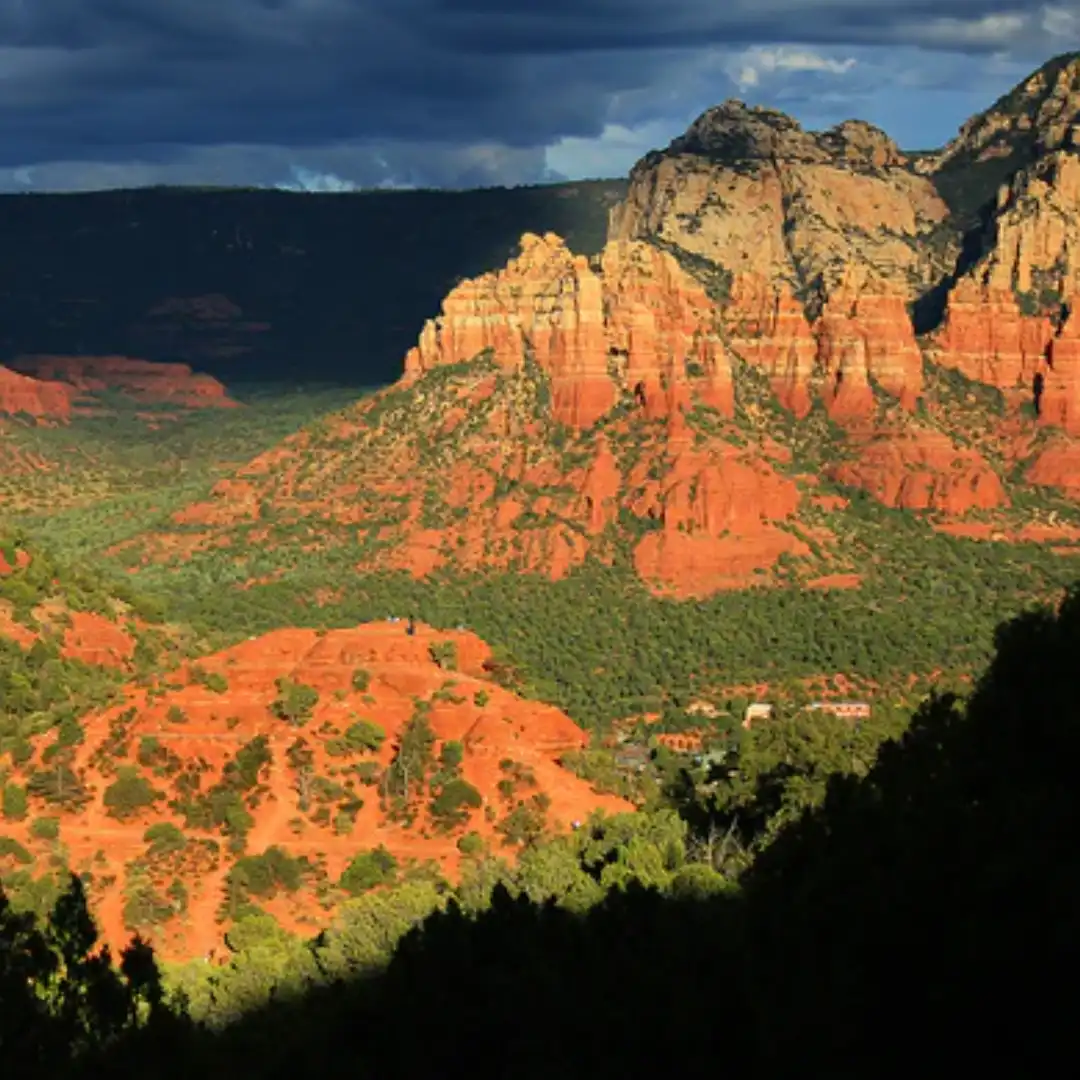
Airport Mesa
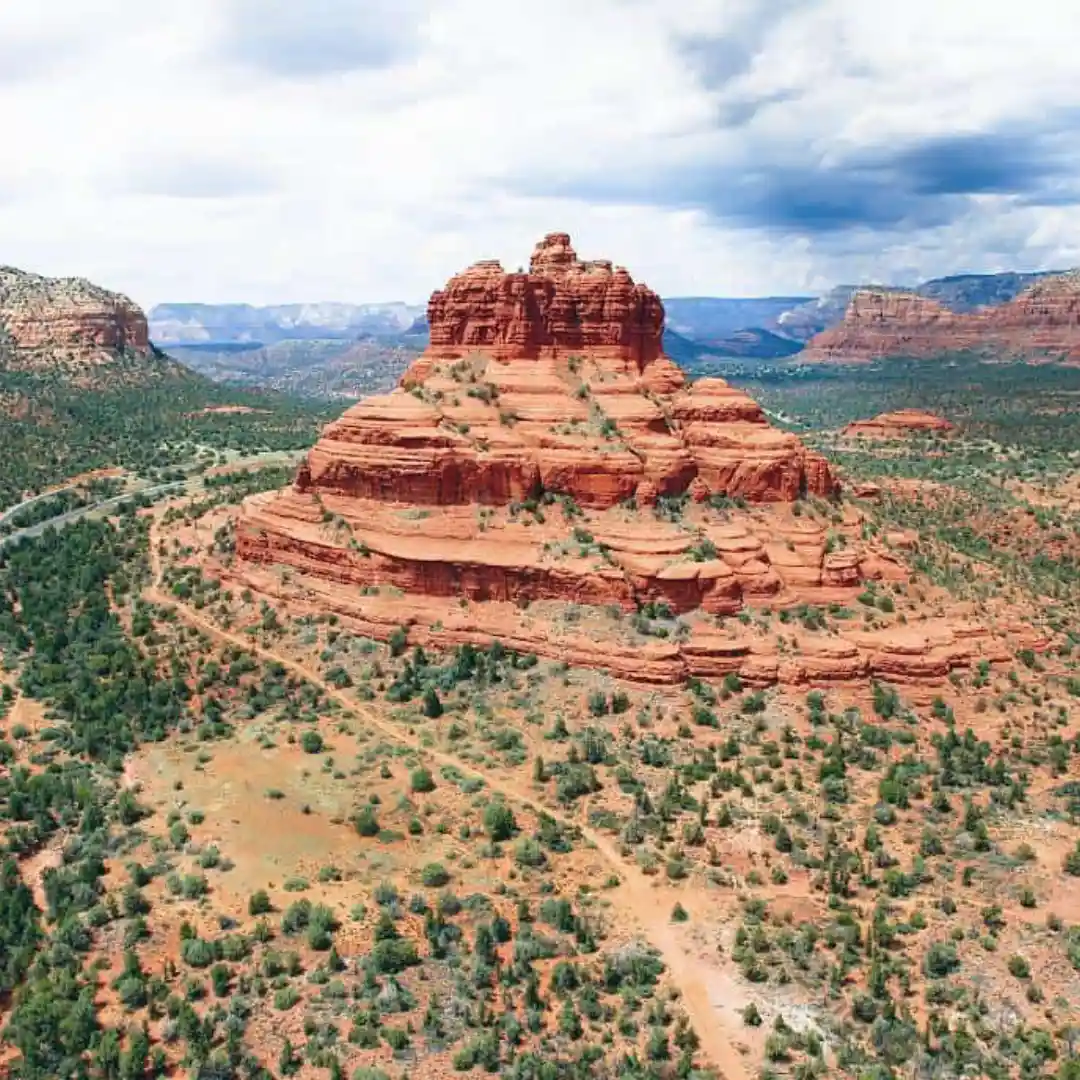
Bell Rock
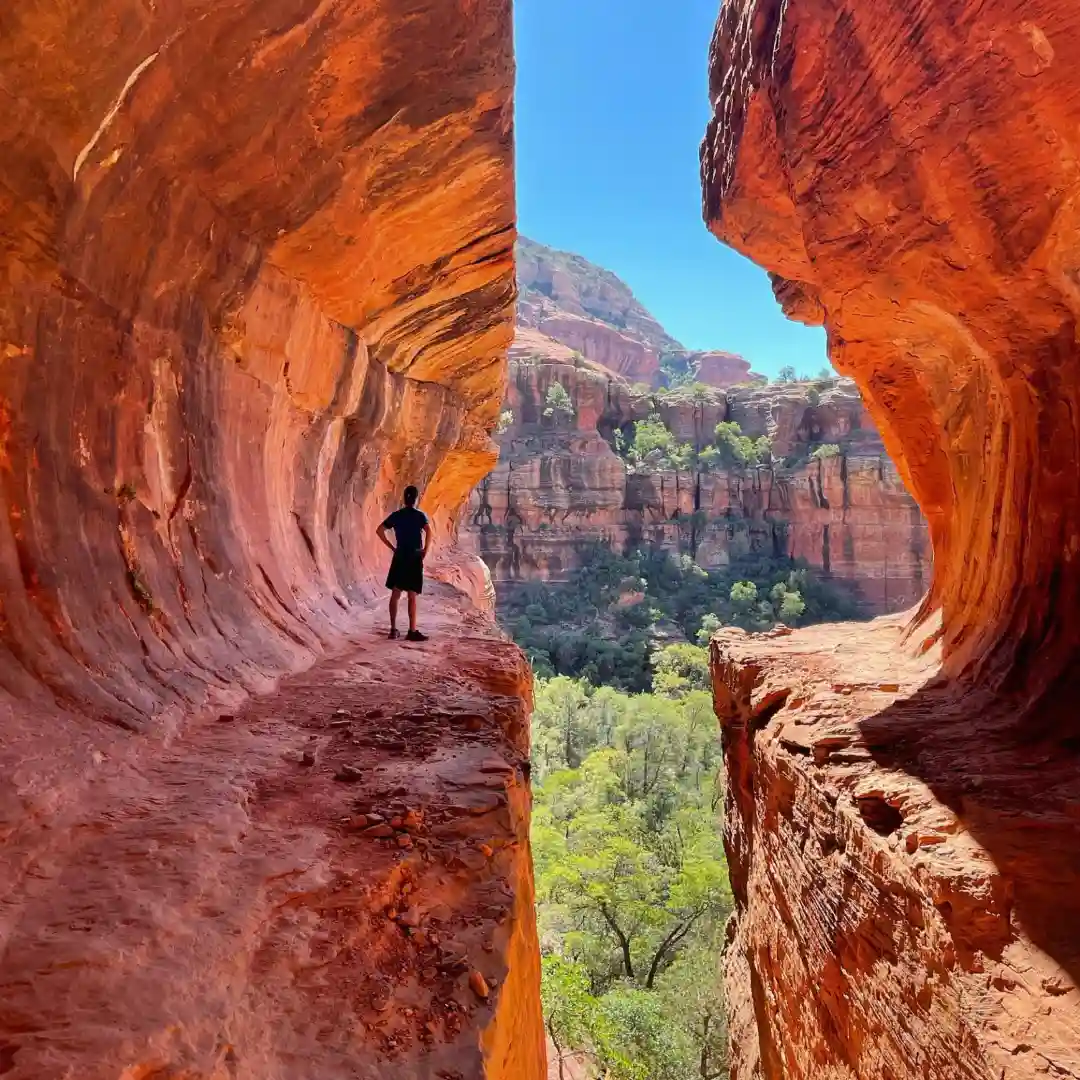
Boynton Canyon
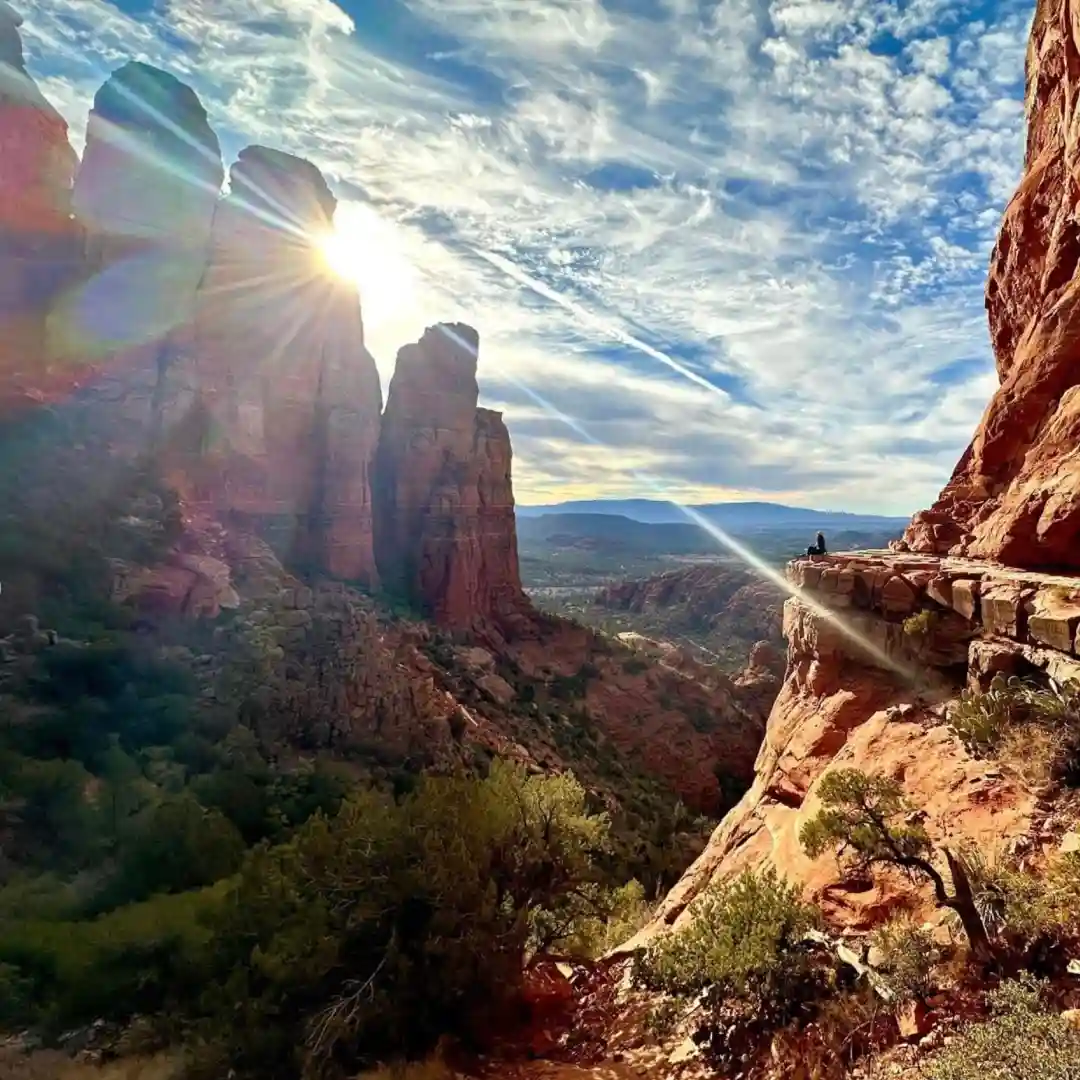
Cathedral Rock
Whether you believe in energy or not, almost everyone agrees that Sedona makes you feel something.
5. Sedona: The Red Rock Hiking Capital of America
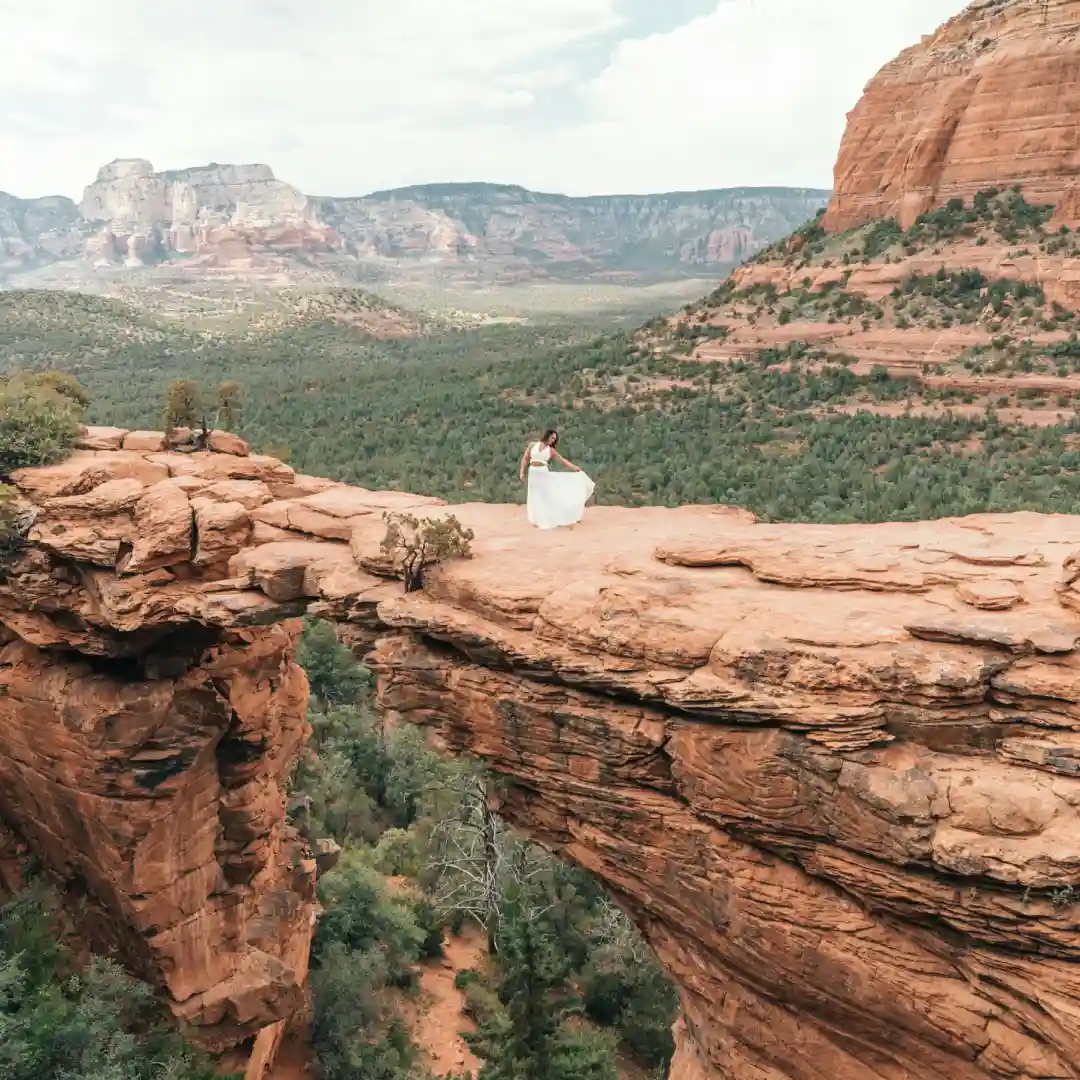
With more than 200 trails, Sedona is a dream for hikers. The town is famous for trails that look different in every direction. There are canyons, mesas, cliffs, desert gardens, and high-altitude viewpoints.
Each trail feels like stepping into a natural cathedral.
Best hikes include:
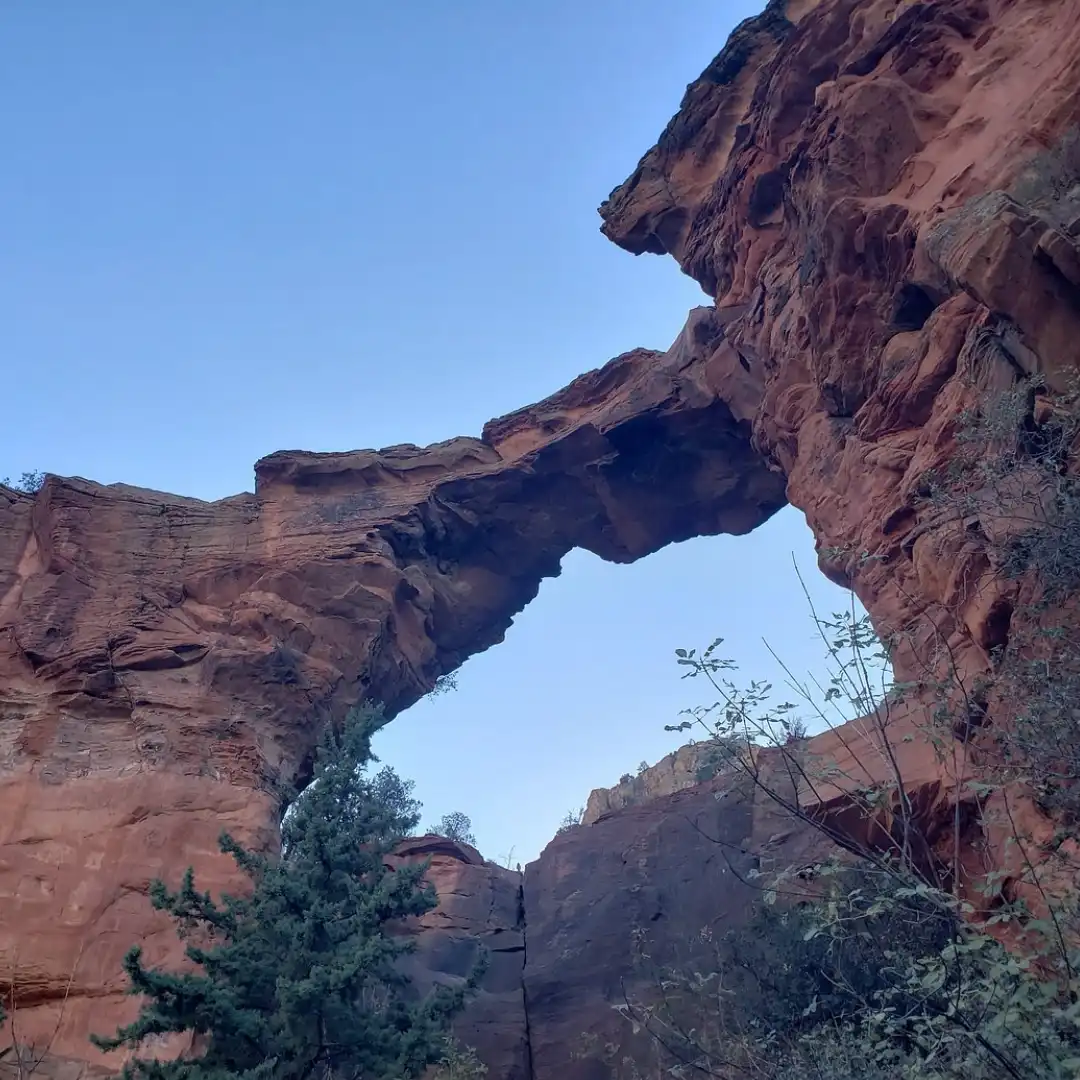
Devil’s Bridge Trail
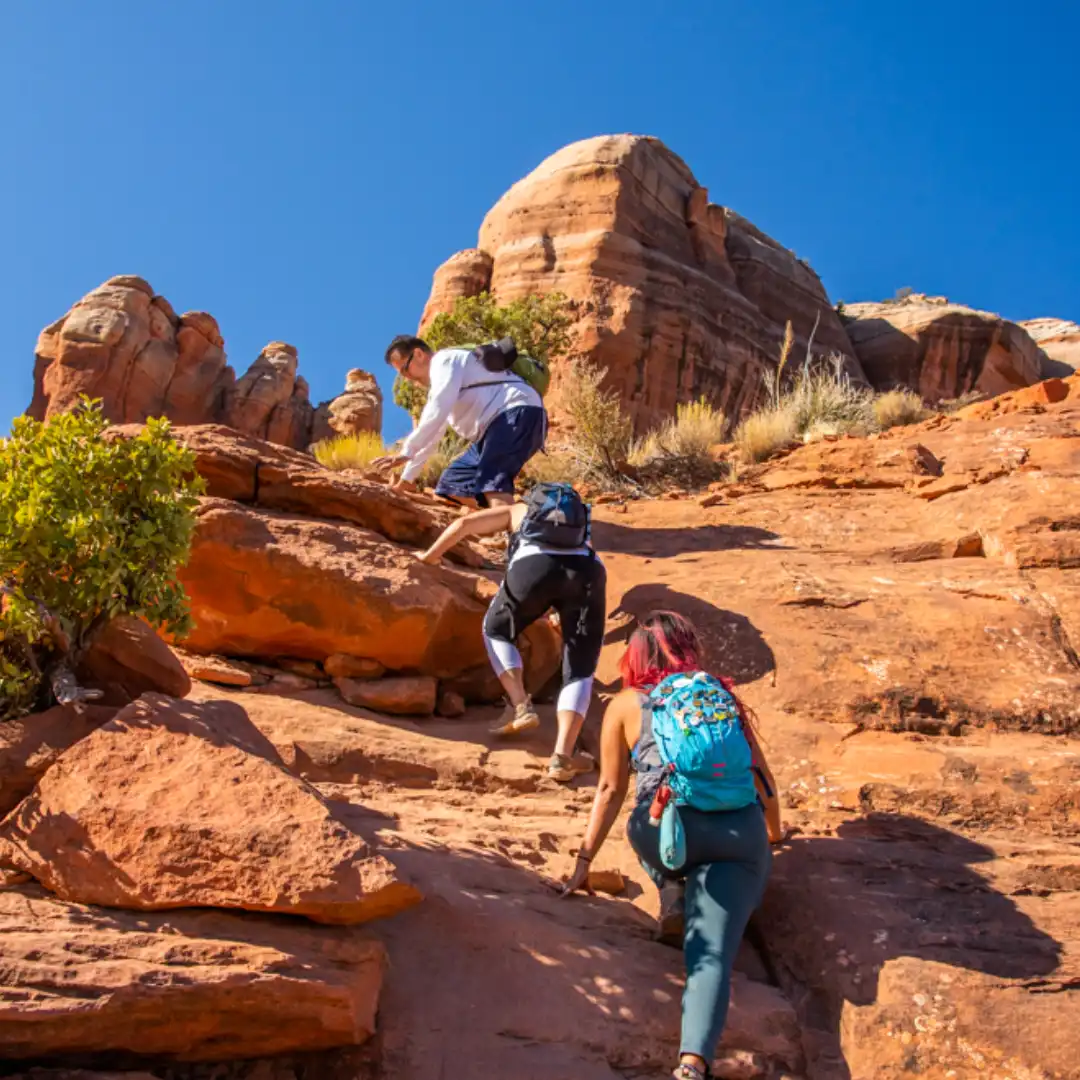
Cathedral Rock Trail
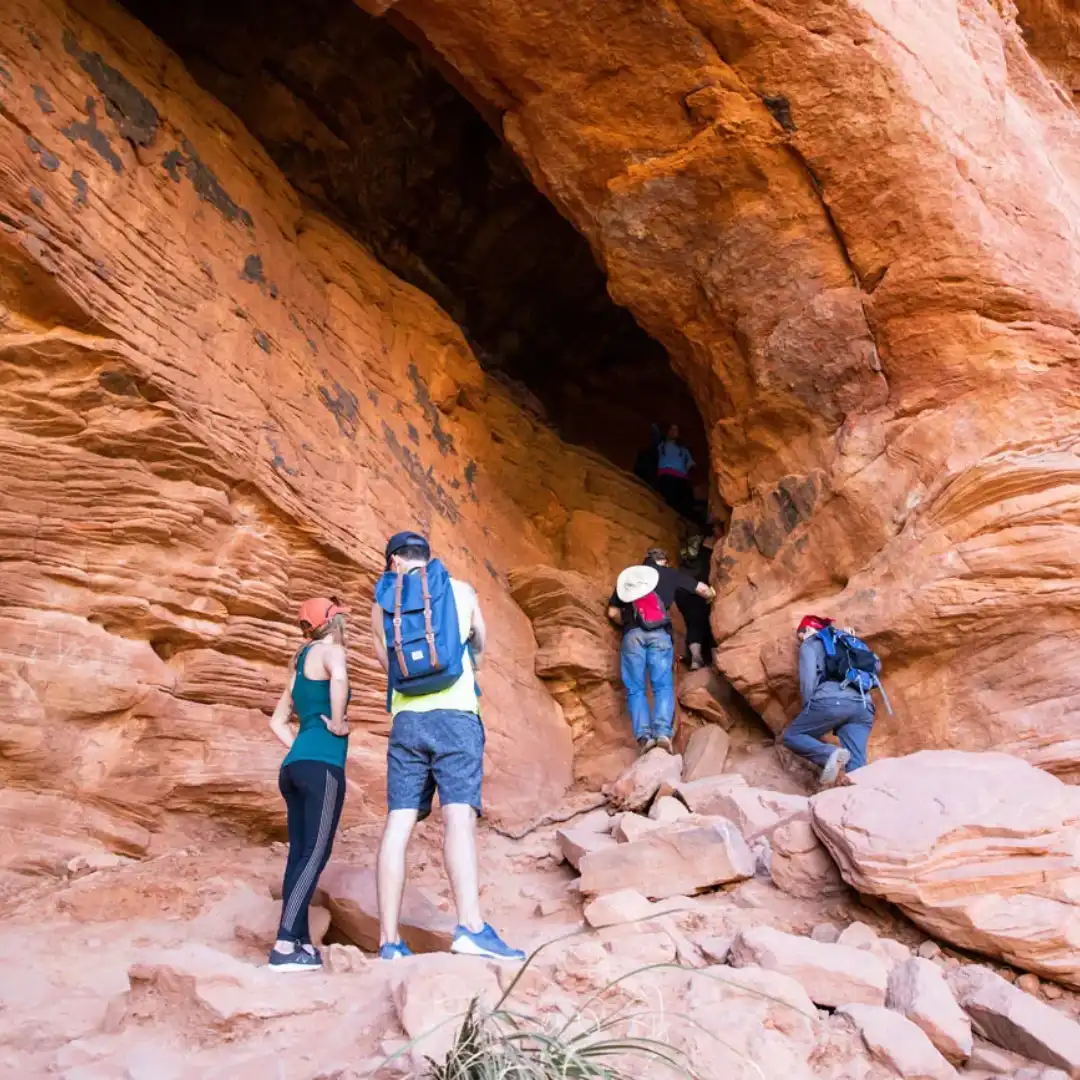
Soldiers Pass Trail
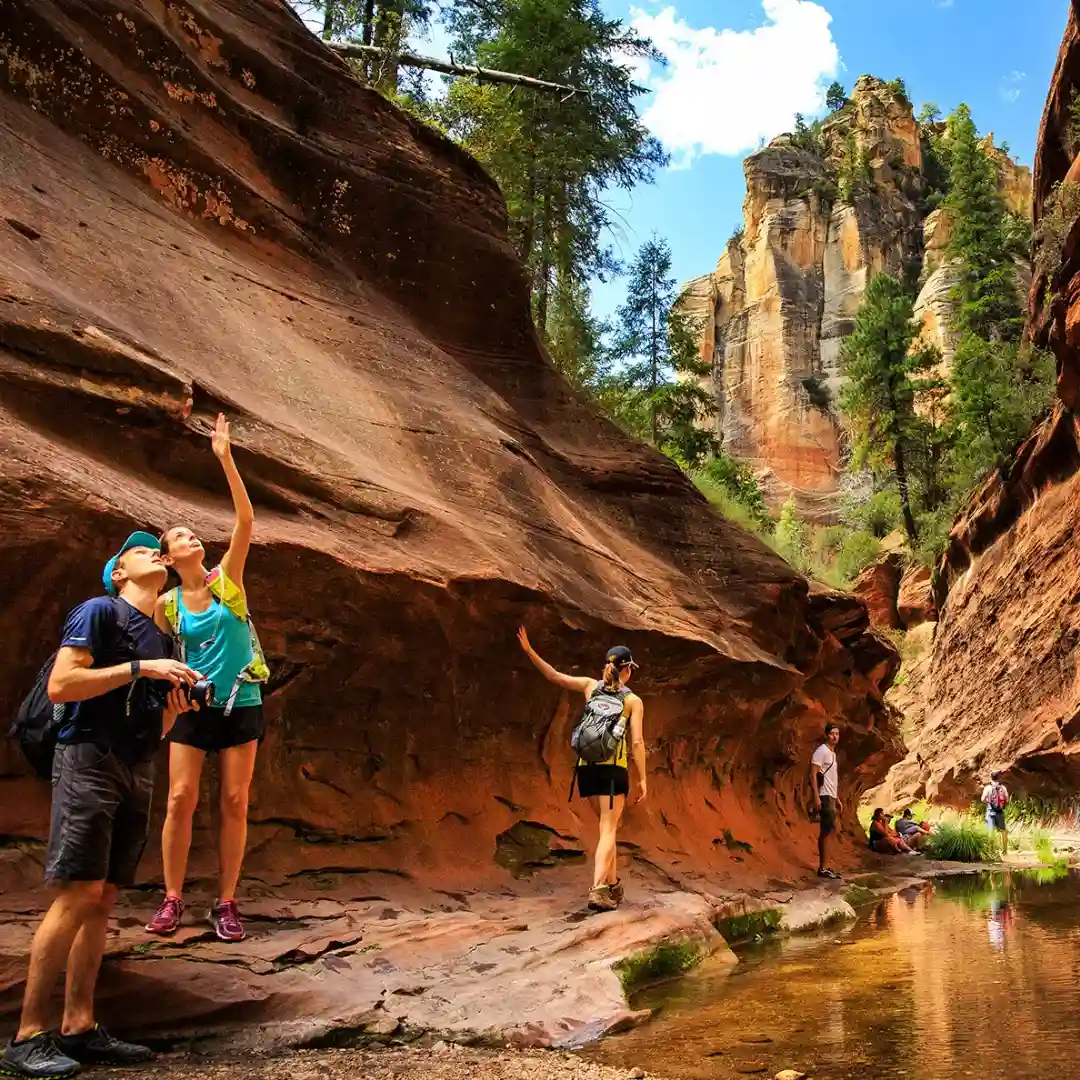
West Fork Trail
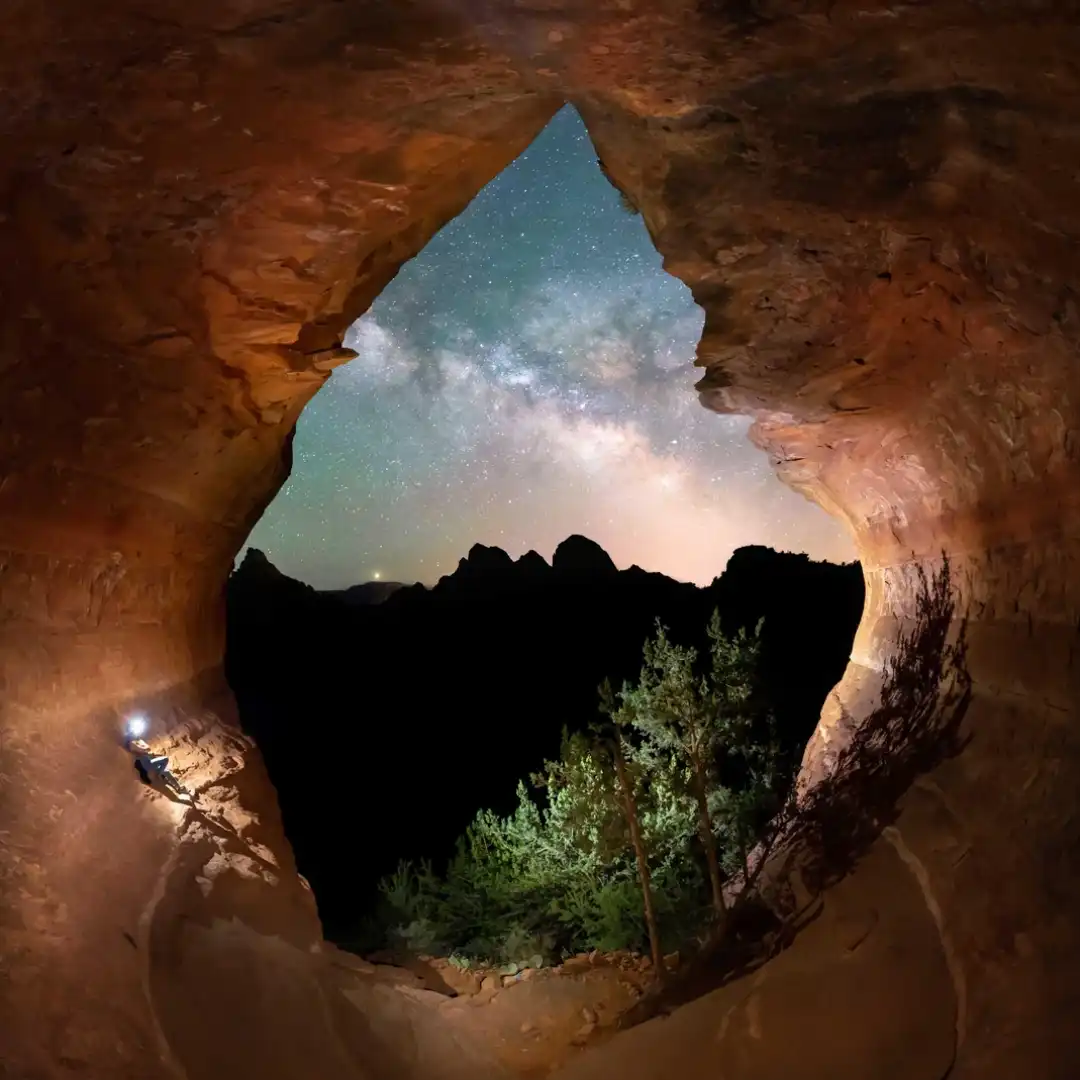
Birthing Cave Trail
6. Famous Landmarks You Can’t Miss in Sedona (With Fascinating Little-Known Facts)
1. Cathedral Rock
Cathedral Rock feels like the beating heart of Sedona. Its towering red spires glow brilliantly during sunset, creating a natural silhouette that looks almost holy.
Interesting Facts:
- Cathedral Rock is one of Sedona’s strongest female-energy vortexes, known for emotional grounding and clarity.
- Its famous “Gap” between the spires was once submerged under a shallow ancient sea nearly 300 million years ago.
- Couples often hike here for sunset proposals, making it one of Sedona’s most romantic spots.
2. Devil’s Bridge
The most iconic natural sandstone arch in Arizona, Devil’s Bridge offers a thrilling viewpoint where you can literally stand on a narrow rock bridge above a canyon.
Interesting Facts:
- Despite its spooky name, the bridge has no connection to anything sinister. The term “devil” was historically used to describe unusual natural formations.
- The arch continues to grow slowly due to sediment accumulation, even as erosion carves underneath.
- Early locals discovered it only in the 1930s, making it a relatively newly recognized landmark.
3. Chapel of the Holy Cross
This stunning church isn’t just a building, it’s a miracle etched into a cliffside. Standing between towering red buttes, it offers quiet, breathtaking views that inspire a deep sense of peace.
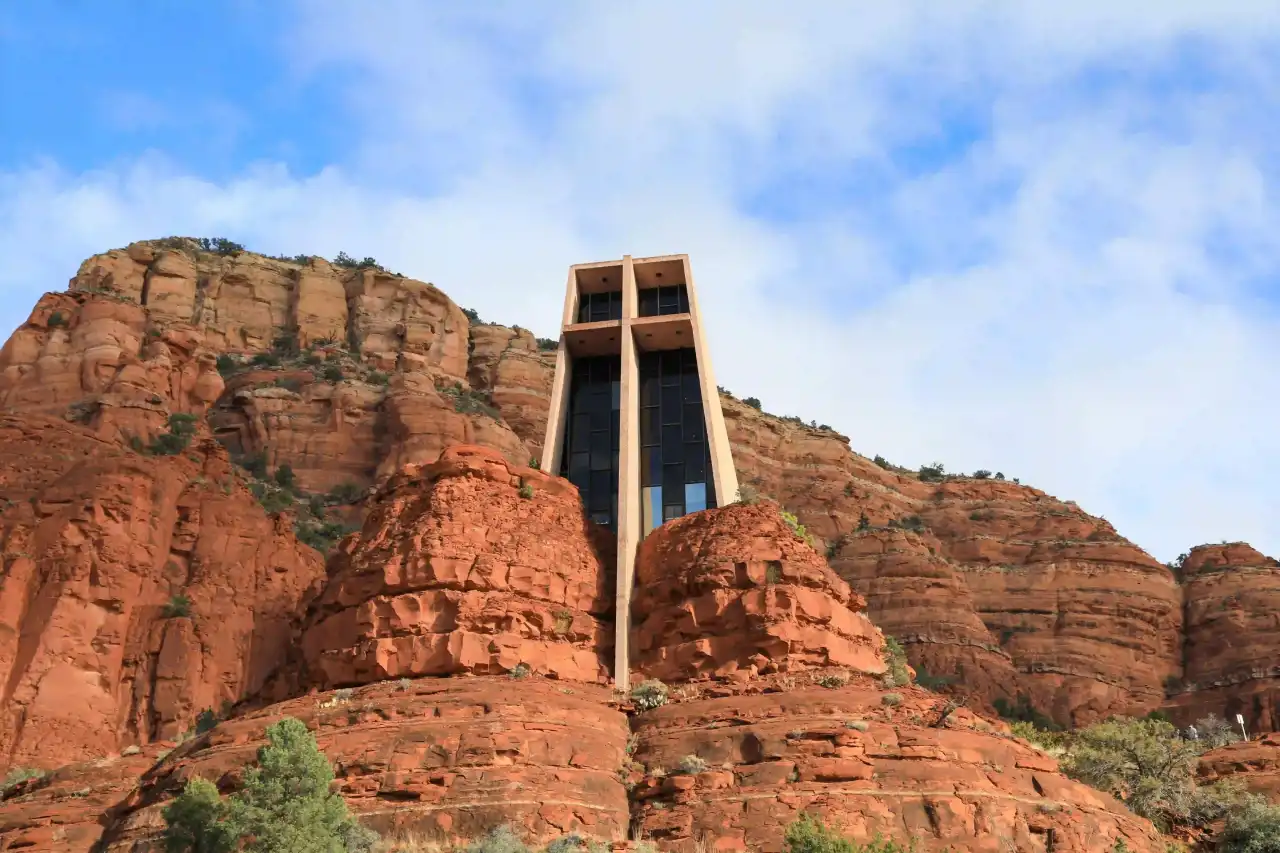
Interesting Facts:
- Built in 1956, the chapel was designed by a student of Frank Lloyd Wright, and its construction was considered an architectural impossibility at the time.
- The giant cross you see from miles away actually serves as the building’s structural support beam.
- Visitors often report experiencing calm or emotional release in its viewing room.
4. Bell Rock
Bell Rock is named for its perfect bell-like shape, and it’s known as one of Sedona’s most energetic and uplifting vortexes.
Interesting Facts:
- Hikers claim they feel a “tingling” sensation on the climb, believed to be the vortex energy.
- Many visitors mistakenly believe it’s the tallest rock in Sedona, but it’s not. Actually, its shape simply makes it appear grander.
- Ancient petroglyphs found nearby suggest the site was historically considered sacred by Indigenous tribes.
5. Airport Mesa
Airport Mesa is famous for offering one of the best panoramic views in Sedona—sunset here is a ritual, not an activity.
Interesting Facts:
- It’s one of the only spots where you can get a 360-degree view of Sedona’s entire red-rock valley.
- The vortex energy here is described as “masculine,” representing action, motivation, and strength.
- The mesa formed from layers of ancient mud and sand deposited during the Permian period, around 250 million years ago.
6. Oak Creek Canyon
A lush, tree-lined canyon that feels like an oasis hidden within the high desert. Cool streams, forests, and shaded picnic areas make it Sedona’s natural escape.
Interesting Facts:
- Oak Creek Canyon is often called the “Little Grand Canyon” due to its dramatic layered cliffs.
- The canyon was shaped mainly by water erosion. Oak Creek still carves it a tiny bit deeper every year.
- Sedona’s iconic Slide Rock State Park is located here, a natural water slide used by Native Americans long before tourism began.
7. Sedona’s Native American History & Cultural Roots
Sedona isn’t just beautiful, it carries one of the most spiritually rich Indigenous histories in the American Southwest. Whenever I walk through its red canyons, I feel the quiet presence of the people who lived here long before the modern town existed. Their stories are woven into the land itself.
A Landscape Shaped by the First People
Long before Sedona became a tourist destination, the land was home to the Sinagua, an Indigenous culture that thrived here from around 600–1425 AD. Many of their ancient cliff dwellings, irrigation systems, and ceremonial sites still sit tucked into the red rock walls silently but powerful reminders of their way of life.
The name Sinagua means “without water,” yet these people engineered advanced methods to survive the high desert environment by tracking seasonal rains and using natural springs. Their ingenuity still surprises archaeologists today.
Spiritual Sites Carved Into Time
The area around Sedona is filled with ancestral ruins that offer a glimpse into their deep spiritual connection with the land.

Montezuma Castle – A 20-room cliff dwelling curiously perched 90 feet above the valley floor.
Unknown fact: Despite its name, it has nothing to do with the Aztec emperor. Early settlers misnamed it, and the name stuck.
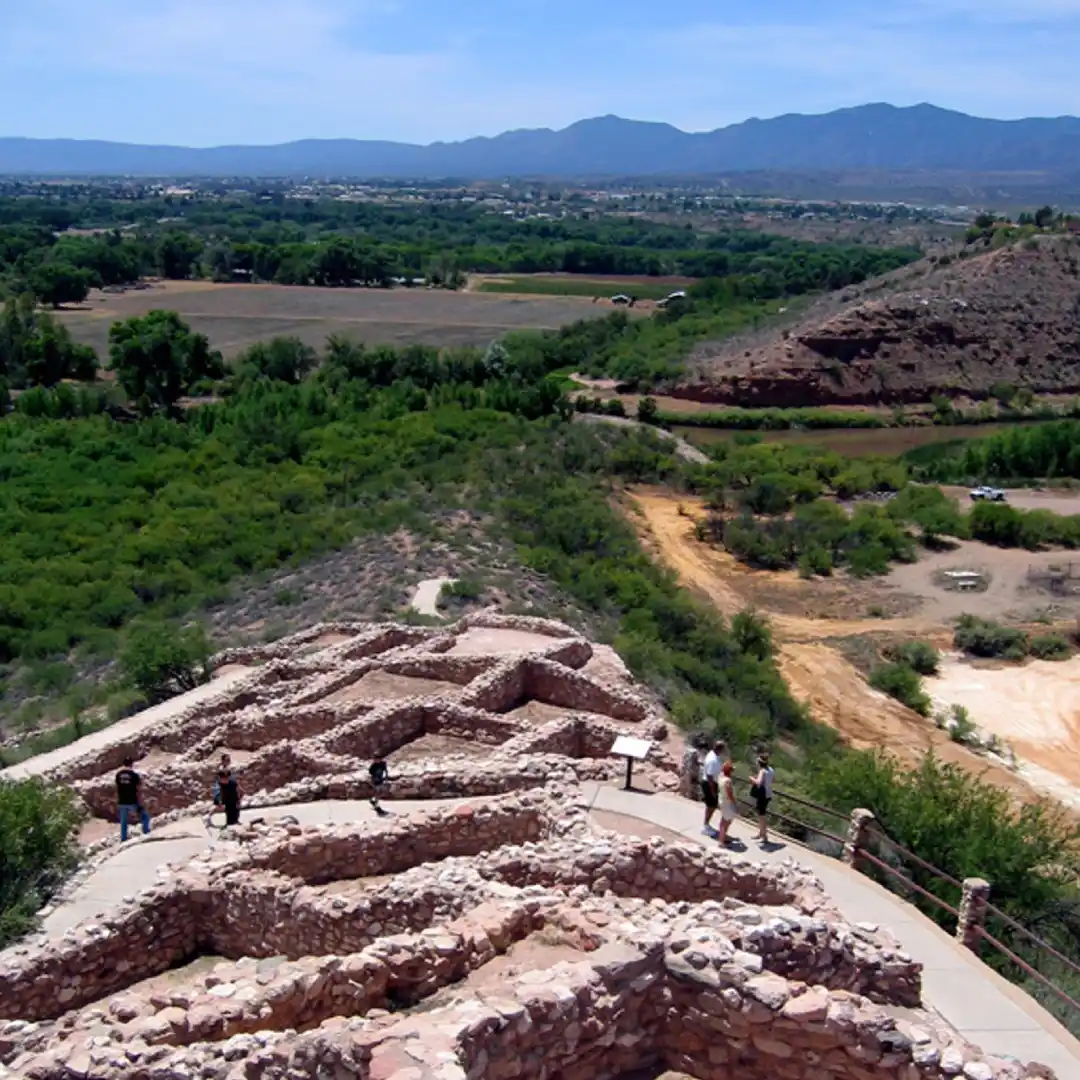
Tuzigoot Pueblo – A hilltop fortress-like settlement built from river stones.
Unknown fact: Archaeologists discovered children’s toys here. It’s a proof that families lived rich daily lives on this rugged terrain.
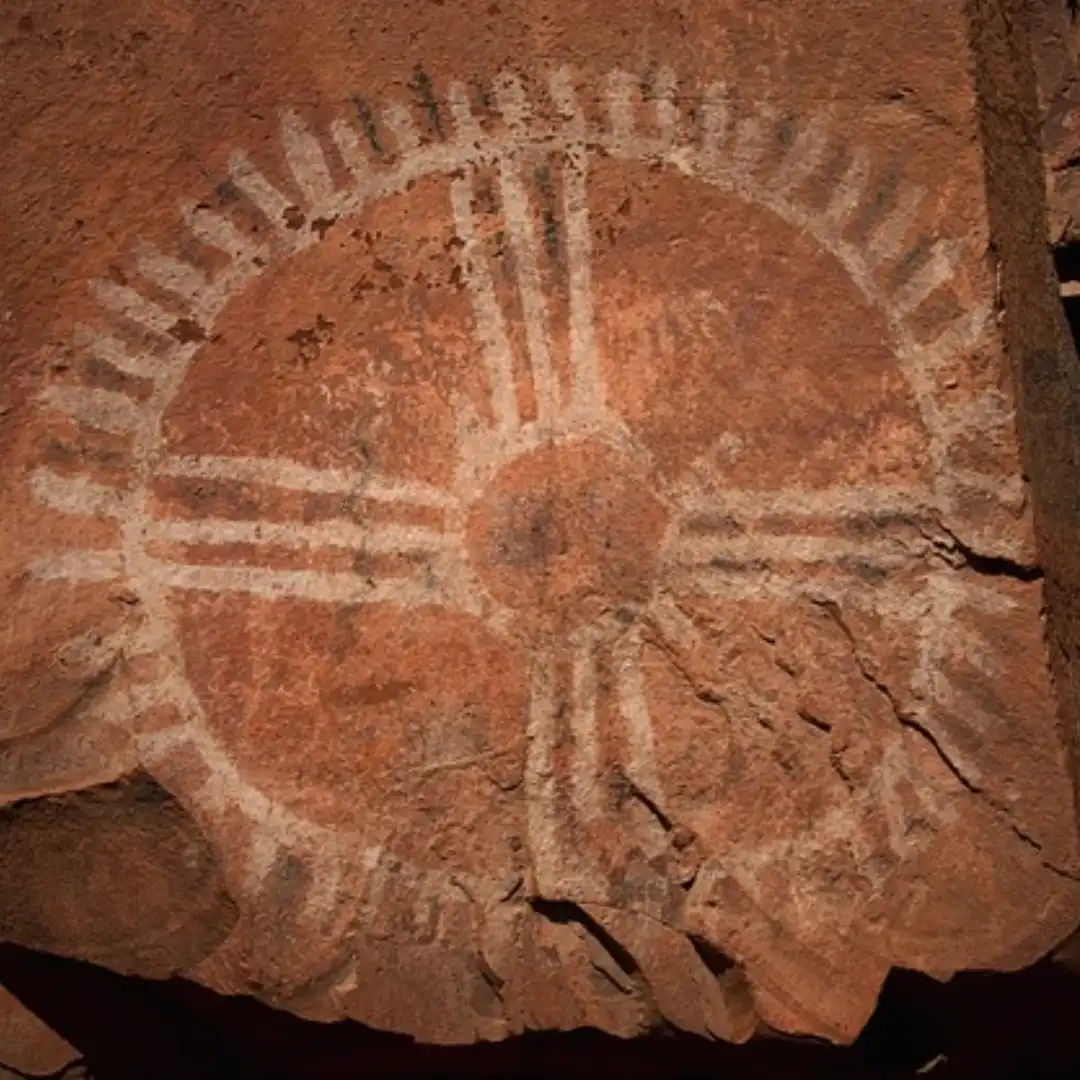
Palatki & Honanki Heritage Sites – Rock shelters filled with centuries-old pictographs.
Unknown fact: Some of the painted symbols were refreshed over generations, showing how these sites were revisited for sacred rituals.
A Living Tribal Culture
Today, many tribes including the Yavapai-Apache Nation continue to hold Sedona as a sacred place. Their traditions emphasize harmony with nature, gratitude, and spiritual balance values that still resonate with visitors who feel a sudden sense of calm when they arrive.
Local tribal elders say Sedona’s energy vortex sites align with ancient ceremonial pathways. Whether you believe in energy lines or not, the sense of peace here is undeniable.
When you walk through Sedona’s trails, you’re not just hiking – you’re stepping into a living story preserved by time. The red rocks that tower above you once guided travelers, sheltered communities, and witnessed ceremonies under starlit skies.
8. Annual Events Sedona Is Known For

Sedona International Film Festival

Sedona Arts Festival

Sedona Mountain Bike Festival

Red Rocks Music Festival